One of the most common misunderstandings about Islam—both among non-Muslims and among Muslims themselves—is the tendency to confuse Islam with the cultures of Muslim-majority societies. When people observe the customs, clothing, gender roles, family expectations, or social norms in various Muslim countries, they often assume that whatever they see must represent Islam itself. If a certain practice is common in Pakistan, Saudi Arabia, Morocco, Egypt, Turkey, Nigeria, or Indonesia, many people quickly label it “Islamic,” even when that practice may have more to do with local history than with revelation.
This assumption is deeply misleading. Islam is not a national identity, an ethnicity, or a regional civilization. It is not Arab culture, South Asian culture, African culture, or Southeast Asian culture. Islam is a revealed religion from Allah, grounded in the Qur’an and the Sunnah, addressed to humanity as such. Culture, by contrast, is shaped by geography, climate, language, economics, politics, tribal memory, and inherited customs. Culture can be noble or corrupt, beautiful or harmful, refined or deeply unjust. Islam does not simply sanctify every custom found among Muslims. Rather, it judges culture, preserves what is good in it, and corrects what contradicts divine guidance.
The Qur’an itself presents Islam as a message for all people, not for one tribe or nation alone. Allah says, “We have not sent you except comprehensively to mankind as a bringer of good tidings and a warner” (Qur’an 34:28). Likewise, Allah says, “Say, O mankind, indeed I am the Messenger of Allah to you all” (Qur’an 7:158). Allah also describes the Qur’an as “a reminder to the worlds” (Qur’an 38:87). The Prophet Muhammad also said, “Every prophet used to be sent to his nation only, but I have been sent to all mankind.” This is one of the clearest proofs that Islam is universal in scope. It is not the religion of one race, one language, or one civilization, even though it first emerged in Arabia.
This means that Muslims in different parts of the world may live very differently on the cultural level while remaining equally Muslim in creed and worship. The food they eat, the clothing they wear, the architecture they build, the languages they speak, and the customs that surround marriage, hospitality, or family life may vary enormously. None of that changes the essence of Islam itself. A Moroccan Muslim, a Pakistani Muslim, an Indonesian Muslim, an American Muslim, and a Senegalese Muslim may each inhabit very different cultural worlds while sharing the same shahadah, the same Qur’an, the same qiblah, and the same obligation to worship Allah alone.
Confusing Islam with culture creates serious problems. It can cause Muslims to defend inherited customs as though they were part of revelation. It can also cause non-Muslims to reject Islam based on practices that Islam itself may never have required. In both cases, the result is distortion. Understanding the difference between Islam and culture is therefore essential if we want to understand Islam clearly, practice it faithfully, and present it honestly in the modern world.
Islam as a Universal Faith
The universality of Islam is not merely a historical observation; it is a central theological principle within the religion itself. From the beginning, the message brought by the Prophet Muhammad was understood by Muslims to be the final and universal stage of divine revelation. Earlier prophets were sent to particular peoples and historical communities, but the message of Islam was intended to transcend tribe, ethnicity, language, and geography.
The Qur’an repeatedly addresses humanity as a whole rather than a single nation. Its moral teachings, legal guidance, and spiritual message are framed as guidance for “mankind” and “the worlds.” This universal language reflects a core Islamic belief: that the worship of one God and the ethical life commanded by God are not meant for a specific civilization but for all human beings.
This universality is reflected in the foundational practices of Islam. The five pillars of Islam—faith, prayer, charity, fasting, and pilgrimage—are not tied to any cultural identity. A Muslim in Senegal, Bosnia, Malaysia, or the United States performs the same daily prayers, fasts during the same month of Ramadan, and faces the same direction in prayer toward Mecca. These acts of worship create a shared religious life that transcends cultural boundaries.
Historically, this universal message allowed Islam to spread across vastly different societies without requiring those societies to abandon their languages, foods, clothing styles, or local customs. Persian, Turkish, African, Malay, and many other civilizations adopted Islam while retaining much of their cultural heritage. What Islam demanded was not cultural uniformity but spiritual submission to God and adherence to the ethical and legal framework revealed in the Qur’an and the Sunnah.
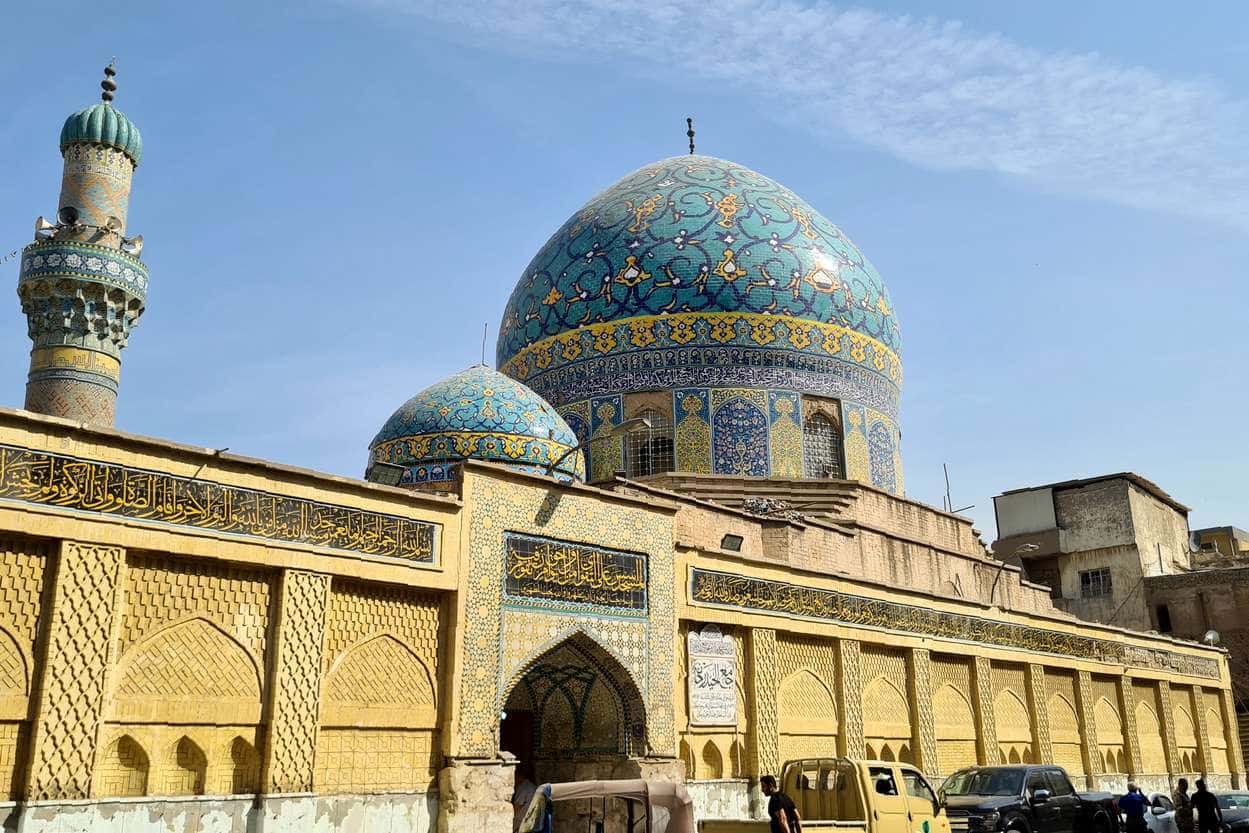
For this reason, Islamic civilization has never been culturally monolithic. The architecture of mosques in West Africa looks different from mosques in Turkey or Indonesia. Islamic scholarship developed in Arabic, Persian, Turkish, Urdu, Malay, and many other languages. Poetry, art, and social traditions flourished in diverse forms across the Muslim world. These differences reflect the richness of human culture rather than differences in the religion itself.
Understanding this distinction is essential. The universal principles of Islam remain constant, but the cultural expressions of Muslim societies vary widely. Islam provides the framework of belief and moral guidance; culture provides the local expression of daily life.
Culture: The Product of History and Geography
Culture develops through centuries of historical experience. It reflects local traditions, social structures, economic systems, languages, and regional identities. Culture shapes how people eat, dress, celebrate, marry, build homes, raise children, and organize social life. It grows slowly over time, influenced by geography, climate, trade routes, political systems, and interactions with neighboring civilizations.
For this reason, no two cultures are exactly the same. Even neighboring societies may develop very different customs depending on their history and environment. Mountain societies may develop traditions different from coastal societies. Agricultural cultures may differ from trading cultures. Over generations these influences become deeply embedded in how people understand family life, honor, hospitality, authority, and community.
When Islam entered different regions of the world, it encountered cultures that had already existed for centuries. These societies did not begin as blank slates. They possessed their own systems of law, family structure, artistic expression, and social organization. As Islam spread, it interacted with these cultures in complex ways.
In many cases Islam purified and reformed existing traditions. Customs that contradicted Islamic principles were gradually abandoned or transformed. Practices rooted in injustice, exploitation, or idolatry were challenged by the ethical framework of the Qur’an. At the same time, many neutral or positive cultural practices continued to exist within Muslim societies because Islam did not require their elimination.
This process created what historians often describe as “Islamic civilizations” rather than a single uniform culture. The core religious teachings remained the same, but the surrounding cultural forms developed differently in each region.
In North Africa, Islamic life developed alongside Berber and Arab cultural traditions, producing distinctive architecture, scholarship, and social customs. In South Asia, Muslim societies absorbed elements of Persianate culture and long-standing regional traditions, creating a rich intellectual and artistic heritage. In Southeast Asia—the region containing the largest Muslim-majority country in the world—Islam spread through trade networks and blended with Malay and Javanese cultural forms.
Similar patterns can be seen across the broader Muslim world. West African Islamic societies developed their own educational institutions, artistic traditions, and styles of dress. Ottoman lands combined Turkish, Byzantine, and Islamic influences. Central Asian Muslim cultures carried traces of Persian, Turkic, and nomadic heritage. Each region produced a distinct cultural expression while still remaining part of the same religious community.
These differences demonstrate an important principle: Islam provides the religious framework, but culture provides the local expression of daily life. The faith itself does not require that all Muslims speak the same language, eat the same food, wear the same clothing, or organize their societies in identical ways.
What unites Muslims is not culture but creed and worship. The same Qur’an is recited, the same direction of prayer is observed, and the same fundamental beliefs about God and prophecy are shared.
For this reason, no single Muslim culture can claim to represent Islam in its entirety. Arab culture is not Islam. South Asian culture is not Islam. African, Turkish, Persian, or Indonesian cultures are not Islam either. They are cultures practiced by Muslims.
The religion itself transcends them all.
Cultural Practices Mistaken for Islam
The confusion between Islam and culture becomes particularly visible when cultural customs are assumed to be religious requirements. In many societies, practices that developed through local history, tribal expectations, or inherited social norms gradually become treated as if they were part of the religion itself. Over generations, people may forget the original cultural roots of these practices and begin to assume that they are commanded by Islam, even when the Qur’an and the Sunnah never required them.
Clothing and Appearance
Many people assume that the clothing styles commonly seen in parts of the Middle East represent “Islamic dress.” In reality, Islam establishes general principles of modesty but does not mandate a specific national or regional style of clothing. The Qur’an and the Sunnah emphasize modesty, dignity, and moral conduct, but they do not prescribe a single cultural uniform for Muslims around the world.
The Qur’an instructs both men and women to observe modesty in their appearance and behavior. Believers are commanded to lower their gaze and guard their modesty, and women are instructed to dress modestly and to draw their coverings over themselves in a way that preserves dignity and privacy. These teachings establish the moral framework for dress in Islam: clothing should cover the body appropriately, should not be intended to provoke sexual attention, and should reflect humility rather than vanity or arrogance.
Beyond these general guidelines, however, Islam leaves significant room for cultural variation. What modest clothing looks like can differ greatly depending on climate, environment, and cultural traditions. In hot desert climates, loose flowing garments became common because they provided protection from heat and sun. In tropical regions, lighter fabrics and different styles developed. In colder climates, modest clothing naturally includes heavier layers and different forms of outer garments.
Because of this flexibility, Muslim clothing has taken many forms across the world. In parts of the Arabian Peninsula, long robes and head coverings are common cultural garments. In South Asia, modest dress may take the form of the shalwar kameez. In West Africa, flowing robes and headwraps are traditional. In Southeast Asia, modest attire may include garments such as the baju kurung or other local clothing styles. In Western countries, Muslim women may adapt modest dress to contemporary clothing styles while still observing the principles of covering and modesty.
Even the well-known head covering worn by many Muslim women—the hijab—appears in a wide variety of forms across cultures. Some women wear simple scarves, others wear regional styles that developed over centuries. The specific appearance varies, but the underlying principle remains the same: modesty, dignity, and devotion to God.
These variations illustrate an important point. Islam establishes principles, not a single cultural costume. The goal of Islamic teaching on clothing is modesty and moral awareness, not uniformity of dress. The diversity of clothing among Muslims reflects the diversity of the cultures in which Muslims live.
These differences therefore reflect culture, not religious law.
Gender Customs
In some societies, strict social norms governing interaction between men and women are treated as if they were direct religious commands. Yet many of these customs developed from local social structures, tribal traditions, or political movements rather than from the core teachings of Islam itself. When these customs are later defended as “Islamic,” the distinction between religion and culture becomes blurred.
Islam certainly teaches principles related to modesty, family life, and appropriate interaction between men and women. The Qur’an instructs both men and women to lower their gaze, guard their modesty, and treat one another with dignity and respect. Islamic law also establishes rights and responsibilities within marriage, protects the financial rights of women, and emphasizes mutual kindness and justice within the family. Historically, the early Muslim community included women who owned businesses, transmitted hadith, taught scholars, and participated actively in social life.
However, many gender norms found in some Muslim-majority societies go far beyond what Islamic sources require. In some places, strict limitations on women’s education, mobility, or public participation have been justified in religious language even though the Qur’an and early Islamic history provide no clear basis for such restrictions.
A frequently cited modern example is the policies implemented by the Taliban in Afghanistan. Under Taliban rule, girls have often been denied access to education, women have faced severe restrictions on employment and movement, and public life has been heavily segregated. These policies are often presented as “Islamic,” yet many Muslim scholars and communities around the world strongly dispute that claim. Historically, Muslim societies across centuries supported women’s scholarship, trade, and participation in public life, demonstrating that such extreme restrictions are more reflective of particular political ideologies and local customs than of the broader Islamic tradition.
Another example involves extreme forms of dress that are sometimes treated as universal Islamic requirements. While Islam teaches modest dress, the specific form that modesty takes has varied widely across cultures. The full face veil known as the niqab is worn in some regions, particularly parts of the Arabian Peninsula, but it has never been a universal requirement in the Muslim world. In many Muslim societies throughout history—including North Africa, the Ottoman lands, Central Asia, Southeast Asia, and much of South Asia—women observed modest dress without covering the face.
For this reason, many scholars view the niqab as a cultural or regional practice rather than a universal Islamic obligation. Other Muslims choose to wear it as a personal expression of piety, which remains a legitimate personal choice. The important distinction, however, is that a voluntary cultural or personal practice should not be treated as a binding religious rule for all Muslims.
The broader lesson is that Islam establishes ethical principles—modesty, dignity, mutual respect, and justice between men and women—but cultures interpret and apply those principles in different ways. When cultural norms become rigid or oppressive, especially when they limit the rights or dignity of women and girls, it becomes essential to examine whether those practices truly originate in Islamic teachings or whether they arise from historical, political, or tribal traditions.
Recognizing this distinction helps prevent both Muslims and non-Muslims from attributing harmful cultural practices to Islam itself. It also opens space for Muslim communities to critically examine inherited customs while remaining faithful to the core ethical teachings of their religion.
Marriage Traditions
Marriage provides another clear example of how culture and religion can become intertwined. In Islamic teaching, the requirements for a valid marriage are actually quite simple. Islamic law requires the free consent of both the bride and the groom, the presence of witnesses, and a marriage contract that establishes the rights and responsibilities of both spouses. A mandatory component of this contract is the mahr, a financial gift given by the groom directly to the bride as her personal property.
These elements form the religious core of an Islamic marriage. Beyond them, however, most of what people associate with “Muslim weddings” comes from local culture rather than from religious law.
Across the Muslim world, wedding celebrations vary enormously. In South Asia, weddings may involve several days of ceremonies, music, and elaborate cultural rituals such as the mehndi celebration. In North Africa, wedding traditions often include distinctive clothing, ceremonial processions, and community feasts. In parts of Southeast Asia, weddings incorporate local artistic traditions, music, and communal celebrations. In some societies the wedding may be a large public event, while in others it may be a modest gathering of family and friends.
None of these cultural expressions are required by Islam. They are local traditions that developed over time around the basic religious structure of marriage.
At times, however, cultural practices surrounding marriage can contradict Islamic principles while still being defended as “Islamic.” One example is forced marriage. In Islamic law, the consent of the bride is a clear requirement, and the Prophet Muhammad explicitly condemned marriages conducted without a woman’s agreement. Nevertheless, in some societies family pressure or traditional expectations have led to situations in which women feel compelled to accept marriages they did not freely choose. Such practices arise from cultural notions of family honor or social obligation rather than from Islamic teachings.
Another example involves the confusion between dowry systems and the Islamic concept of mahr. In Islam, the mahr is a gift from the groom to the bride that belongs solely to her and symbolizes her financial rights and dignity within the marriage. In some cultures, however, marriage has become tied to expensive dowry systems in which the bride’s family is expected to provide large payments or gifts to the groom’s family. These practices often place heavy economic burdens on families and can lead to serious social problems. They reflect regional cultural traditions rather than Islamic law.
Honor-based customs can also become entangled with marriage practices. In some societies, family reputation and social expectations may place extreme pressure on women’s choices in relationships or marriage. Yet the Qur’an emphasizes justice, fairness, and personal accountability rather than collective punishment or rigid honor codes.
These examples illustrate how easily cultural expectations can become mistaken for religious requirements. Islam establishes clear principles for marriage: consent, justice, financial rights, mutual kindness, and family stability. Cultural traditions may shape the celebrations and social customs surrounding marriage, but they do not define the religious foundation of the institution itself.
Recognizing this distinction helps Muslims evaluate inherited traditions more carefully. It allows communities to preserve beautiful cultural expressions of marriage while also rejecting practices that contradict the ethical teachings of Islam.
When Culture Overrides Religion
The confusion between Islam and culture becomes most harmful when cultural traditions contradict Islamic principles but are still defended as if they were religious obligations. When this happens, customs that originated in local history or social structure can become protected from criticism simply because they are labeled “Islamic.” As a result, practices that Islam itself may discourage—or even clearly forbid—can become entrenched within communities.
Throughout history, Muslim scholars have recognized this danger. One of the reasons classical Islamic scholarship developed detailed systems of jurisprudence was precisely to distinguish between divine revelation and human custom. While local traditions (ʿurf) could influence how certain social practices were carried out, they were never meant to override the clear teachings of the Qur’an or the Sunnah.
However, in everyday life the boundary between religion and culture can become blurred. Communities often inherit practices that feel ancient and authoritative simply because they have existed for generations. Over time, these traditions can become woven into religious identity, making them difficult to question even when they conflict with Islamic ethics.
When culture overrides religion, several problems emerge.
First, Islam itself can become distorted. Practices that have no basis in the Qur’an or the teachings of the Prophet may begin to appear as though they are central features of the religion. This can lead both Muslims and non-Muslims to misunderstand what Islam actually teaches.
Second, harmful customs may persist under the protection of religious language. Practices that restrict education, limit economic opportunities, or treat women unjustly may continue simply because they are framed as “tradition” or “religion,” even when Islamic sources emphasize justice, compassion, and human dignity.
Third, the universal nature of Islam can become obscured. When one culture treats its own customs as if they represent Islam itself, it can unintentionally suggest that becoming Muslim requires adopting that particular culture. This creates unnecessary barriers for people from different backgrounds and contradicts the Qur’anic message that Islam is meant for all humanity.
Finally, the credibility of Islam can be damaged in the eyes of outsiders. When observers encounter practices that appear oppressive or unjust and are told that these practices are “Islamic,” they may assume that the religion itself endorses them. In reality, many of these practices are better understood as local traditions that developed in specific historical circumstances.
Recognizing when culture has overridden religion is therefore an important step in intellectual honesty and religious integrity. It allows Muslims to examine inherited traditions in the light of the Qur’an and the example of the Prophet. Customs that align with Islamic ethics can be preserved and celebrated, while those that contradict justice, dignity, and compassion can be reevaluated.
In this way, distinguishing Islam from culture does not weaken the religion. On the contrary, it strengthens it by returning attention to the core principles that define the faith.
Both perspectives are based on the same mistake: failing to distinguish religion from culture.
Why Muslims Sometimes Defend Culture as Religion
Understanding why cultural customs are often defended as religious obligations requires looking at the social and psychological role that tradition plays within communities. For many Muslims, religion is not experienced only as a set of theological teachings but also as a lived cultural environment shaped by family, language, and social expectations. When religious identity and cultural practice develop side by side for generations, the boundaries between them can become difficult to see.
One major reason for this confusion is inheritance. Most people learn religion from their families long before they ever study it formally. Children observe how their parents pray, how weddings are conducted, how men and women interact, how elders are treated, and how modesty is expressed. These practices become part of a person’s understanding of “what Islam looks like.” By the time someone begins to study the Qur’an or Islamic scholarship in a deeper way, many cultural assumptions are already deeply embedded.
A second factor is the authority of tradition. Practices that have existed for generations often carry a sense of legitimacy simply because they are old. When a custom has been followed by grandparents, great‑grandparents, and entire communities for decades or centuries, it can feel almost sacred. Questioning such traditions may be interpreted as disrespect toward elders or as abandoning one’s heritage.
A third factor involves social cohesion. Cultural practices often function as markers of group identity. Shared customs help communities maintain a sense of unity and belonging, particularly when they are minorities within larger societies. In these contexts, preserving cultural traditions may be seen as a way of protecting the community itself. When someone questions those traditions, it can be perceived as threatening the stability or continuity of the group.
Political and historical forces can also reinforce the fusion of culture and religion. In some regions, governments or political movements have promoted particular interpretations of Islam that align closely with local cultural norms. Over time, these interpretations may become institutionalized through education systems, legal codes, or public messaging. When this happens, cultural expectations can take on the appearance of religious authority even when they originated in specific historical circumstances.
Another reason cultural practices are defended as Islamic is the natural human desire for certainty. Religion often provides moral clarity and structure, and people may feel more comfortable believing that long‑standing customs are divinely mandated rather than historically developed. If a practice is seen as coming directly from God, it feels stable and unquestionable. Recognizing that some traditions are cultural rather than religious can introduce complexity that people may find unsettling.
Finally, culture is deeply tied to personal and collective identity. For many people, cultural practices are connected to family honor, national pride, language, memory, and belonging. Criticizing those traditions can therefore feel like criticizing the community itself or rejecting one’s roots. As a result, cultural customs are sometimes defended passionately even when they cannot be clearly supported by Islamic sources.
Understanding these dynamics does not mean dismissing culture as unimportant. Cultural traditions can carry beauty, wisdom, and meaningful social bonds. However, recognizing the difference between cultural heritage and religious obligation allows Muslims to appreciate their traditions while still evaluating them in light of the Qur’an and the example of the Prophet.
Islam Beyond Geography
Despite the enormous diversity of Muslim cultures, Islam itself remains remarkably consistent across the world. The core structure of belief and worship has remained recognizable from the earliest Muslim community until the present day, even as Muslim societies have developed in dramatically different environments.
At the heart of Islam is a shared creed: belief in the oneness of God, the prophethood of Muhammad, the revelation of the Qur’an, the reality of moral accountability, and the ultimate judgment of humanity. These beliefs unite Muslims regardless of their language, ethnicity, or national identity. Whether a Muslim lives in West Africa, Central Asia, Europe, Southeast Asia, or North America, these foundational principles remain the same.
The same is true of the fundamental acts of worship. Muslims around the world perform the five daily prayers, fast during the month of Ramadan, give charity to those in need, and orient their prayers toward the Kaaba in Mecca. Millions of Muslims from every continent gather each year for the pilgrimage to Mecca, standing side by side regardless of race, nationality, or social status. These shared practices create a powerful sense of global religious unity that transcends culture and geography.
Language itself illustrates this universality. Muslims may speak Arabic, Turkish, Persian, Urdu, Swahili, Bahasa Indonesia, English, French, or hundreds of other languages in their daily lives. Yet the Qur’an remains preserved in Arabic, and Muslims around the world recite the same verses in prayer. This combination—shared sacred language alongside diverse everyday languages—reflects the balance between religious unity and cultural diversity that has characterized Islam throughout history.
Islamic history further demonstrates this global character. Within a few centuries of its origin, Islam had spread from the Arabian Peninsula across North Africa, into Spain, throughout Central Asia, across the Indian subcontinent, and deep into Southeast Asia. Each region produced its own scholars, artistic traditions, architecture, and intellectual movements while remaining connected through shared religious sources.
As a result, there has never been a single “Muslim culture.” Instead, there have been many Muslim cultures shaped by different historical experiences. The mosques of Mali differ from the mosques of Istanbul. The calligraphy of Persian manuscripts differs from the styles found in Indonesia or China. Islamic scholarship developed in cities such as Baghdad, Cairo, Cordoba, Timbuktu, Delhi, and Jakarta, each contributing to the broader intellectual heritage of the Muslim world.
This diversity reflects the adaptability of Islam as a universal faith. The religion provides spiritual and ethical principles that can guide human life in many different cultural environments. Rather than erasing cultural diversity, Islam historically allowed cultures to flourish while grounding them in a shared moral and theological framework.
Islam therefore does not belong to any single culture or civilization. It is not Arab religion, South Asian religion, or African religion. It is a global faith practiced by people from nearly every part of the world.
It began in Arabia, but it was never meant to remain there.
Conclusion
Recognizing the difference between Islam and culture allows both Muslims and non-Muslims to understand the religion more clearly and more fairly. Throughout this discussion we have seen that Islam provides a universal framework of belief, worship, and ethics, while cultures provide the diverse ways in which human societies organize their daily lives. When these two are confused, misunderstandings arise—sometimes within Muslim communities themselves and often among those trying to understand Islam from the outside.
For Muslims, rediscovering this distinction encourages a return to the foundational sources of the faith: the Qur’an and the authentic teachings of the Prophet Muhammad. These sources provide the moral and spiritual core of Islam while allowing significant space for cultural diversity. When Muslims evaluate customs in light of these sources, they are able to preserve what is beautiful and beneficial in their traditions while also correcting practices that contradict justice, dignity, and compassion.
This process has always been part of the Islamic intellectual tradition. Muslim scholars across centuries recognized that societies change and that customs evolve. They therefore developed principles that allowed culture to exist within Islam while ensuring that culture never replaced revelation. By continually returning to the Qur’an and the Sunnah, Muslim communities have historically renewed their understanding of the faith while adapting to new environments and historical circumstances.
For non-Muslims, understanding the difference between Islam and culture helps correct many common misconceptions. Practices observed in particular regions should not automatically be assumed to represent Islam itself. Just as Christianity is not identical with European culture, and Judaism is not identical with any single national tradition, Islam cannot be reduced to the customs of any one society. It is a global religion practiced by people from countless ethnic, linguistic, and cultural backgrounds.
This recognition also highlights one of the most remarkable aspects of Islam: its ability to unite diverse peoples while preserving their cultural uniqueness. Muslims in West Africa, Central Asia, Europe, Southeast Asia, and the Americas may live within very different cultural worlds, yet they remain connected through a shared creed, shared rituals of worship, and a shared reverence for the Qur’an.
When culture is mistaken for religion, Islam can appear rigid, foreign, or tied to a particular civilization. But when the distinction between the two is understood, the religion appears in its true form: a universal path of faith centered on the worship of one God and the pursuit of justice, humility, and moral responsibility.
Understanding this distinction ultimately benefits everyone. It allows Muslims to practice their faith with greater clarity and integrity, and it allows others to approach Islam with a more accurate and nuanced perspective.
Many cultures. Many languages. Many histories.
One faith grounded in the belief in the oneness of God.