Category: Articles
-
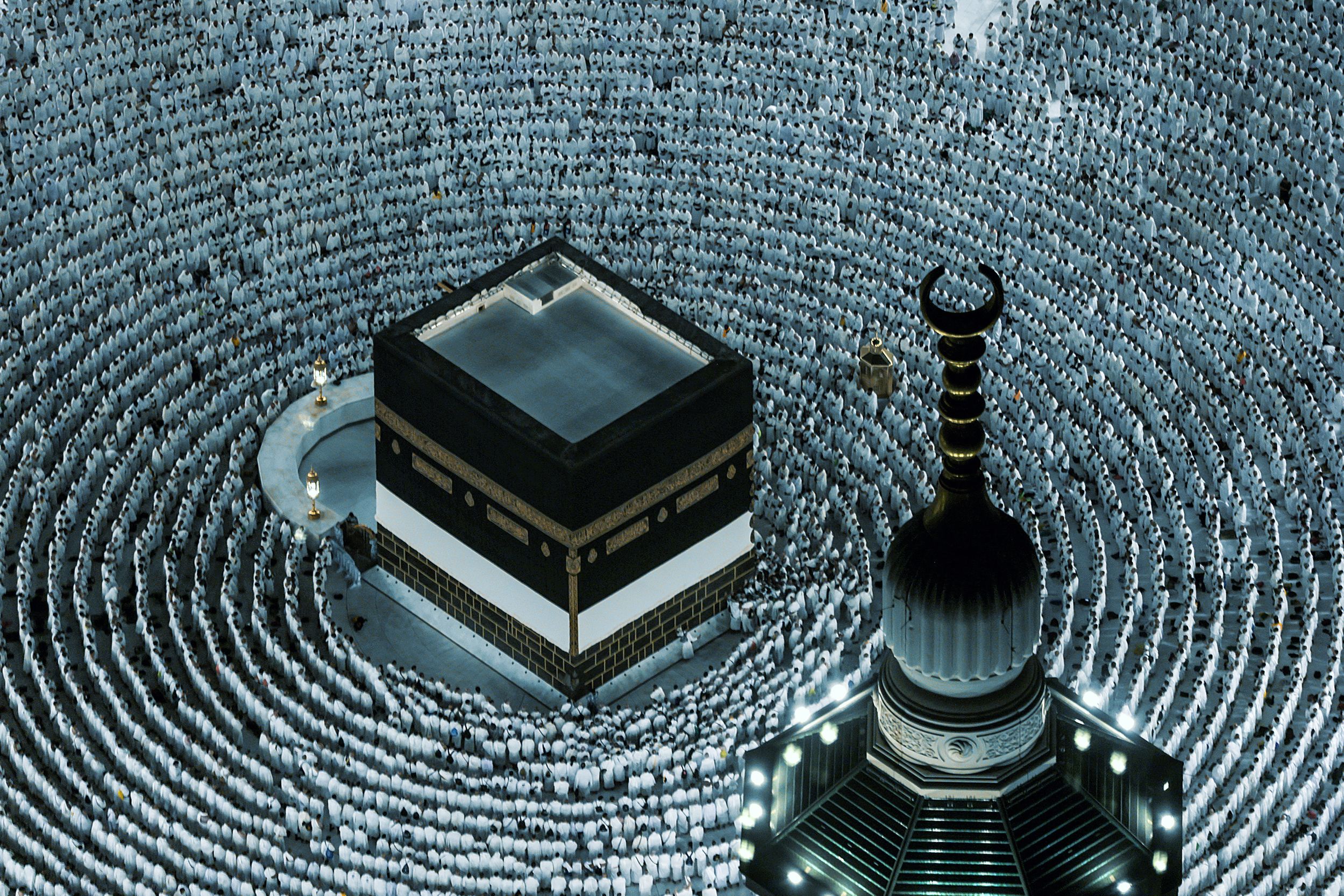
The Fifth Pillar of Islam: Hajj
There is something deeply moving about watching people gather in Makkah from every part of the world. They arrive speaking different languages, carrying different histories, and leaving behind very different lives. Some have saved for decades. Some are young and strong; others move slowly with the help of relatives or caregivers. Among them are Muslims…
-
Aisha’s Age: Why I Believe She Was Probably in Her Late Teens
Few questions about Islam are raised with as much hostility as the age of Aisha when she married the Prophet Muhammad ﷺ. A subject that calls for historical investigation, careful reading, and moral seriousness is often presented as a slogan intended to end discussion before it begins. For a Muslim encountering it through an insulting…
-
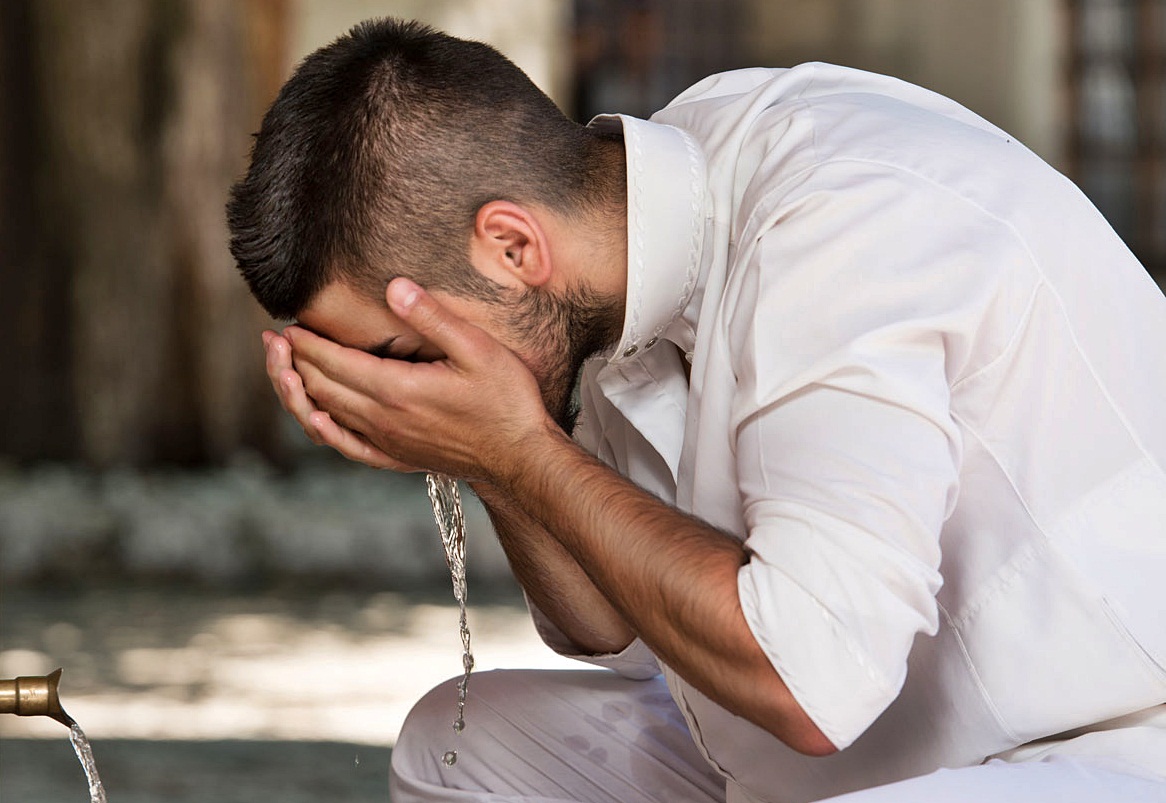
Wudu: A Guide for New Muslims
Learning to Prepare for Prayer, with Particular Attention to the Maliki School For a new Muslim, learning to pray involves more than memorizing words and movements. There is also the preparation for prayer: finding a suitable place, knowing the time, and learning how to perform wudu, the ritual washing that ordinarily precedes salah. At first,…
-
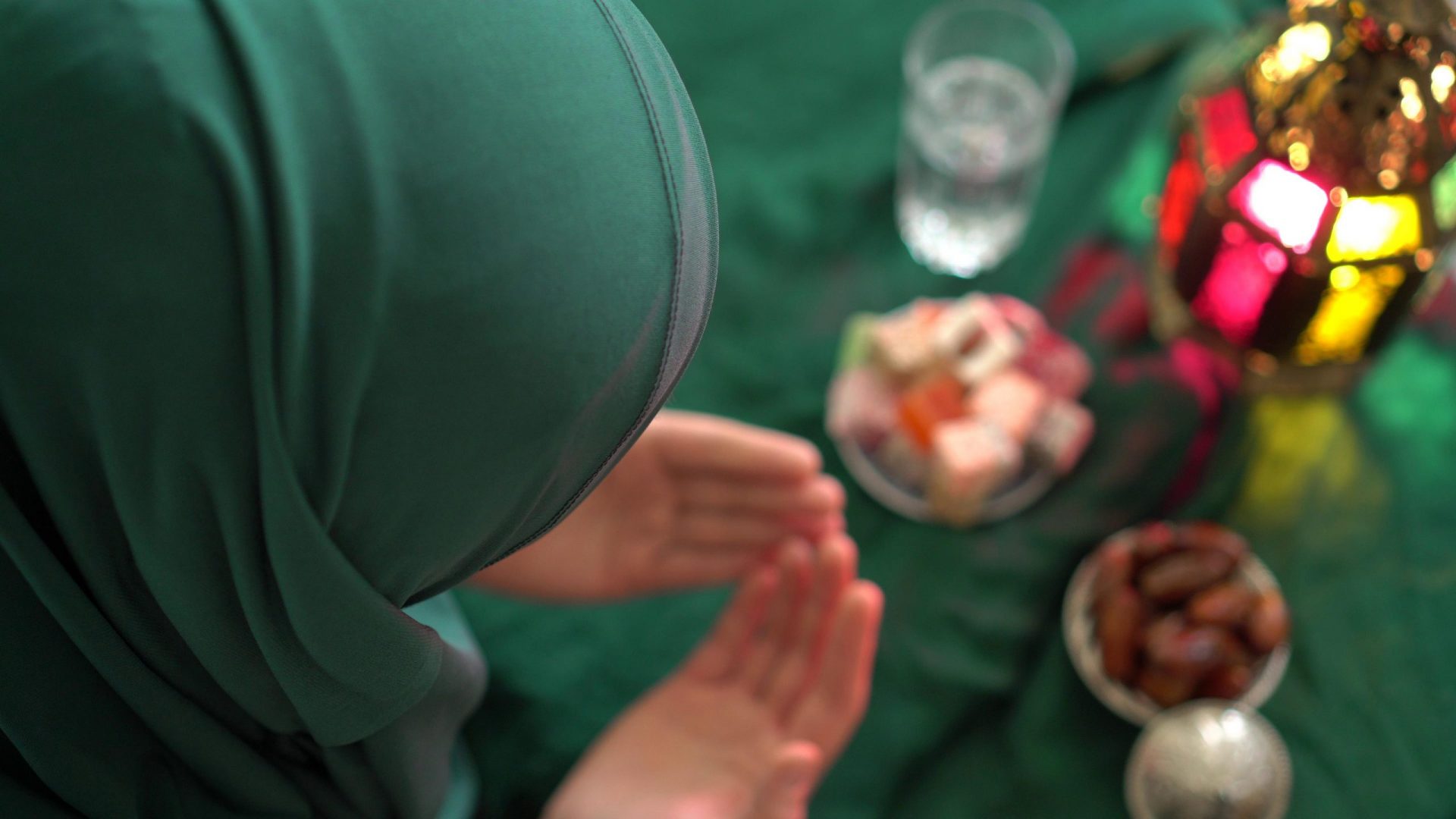
The Fourth Pillar of Islam: Sawm
Islam teaches the believer to worship Allah with the whole of life. Through the shahādah, we testify to His oneness and accept the guidance of His Messenger ﷺ. Through salah, we return to Him throughout the day. Through zakāh, we acknowledge His rights over our wealth and our responsibilities toward others. With the fourth pillar,…
-
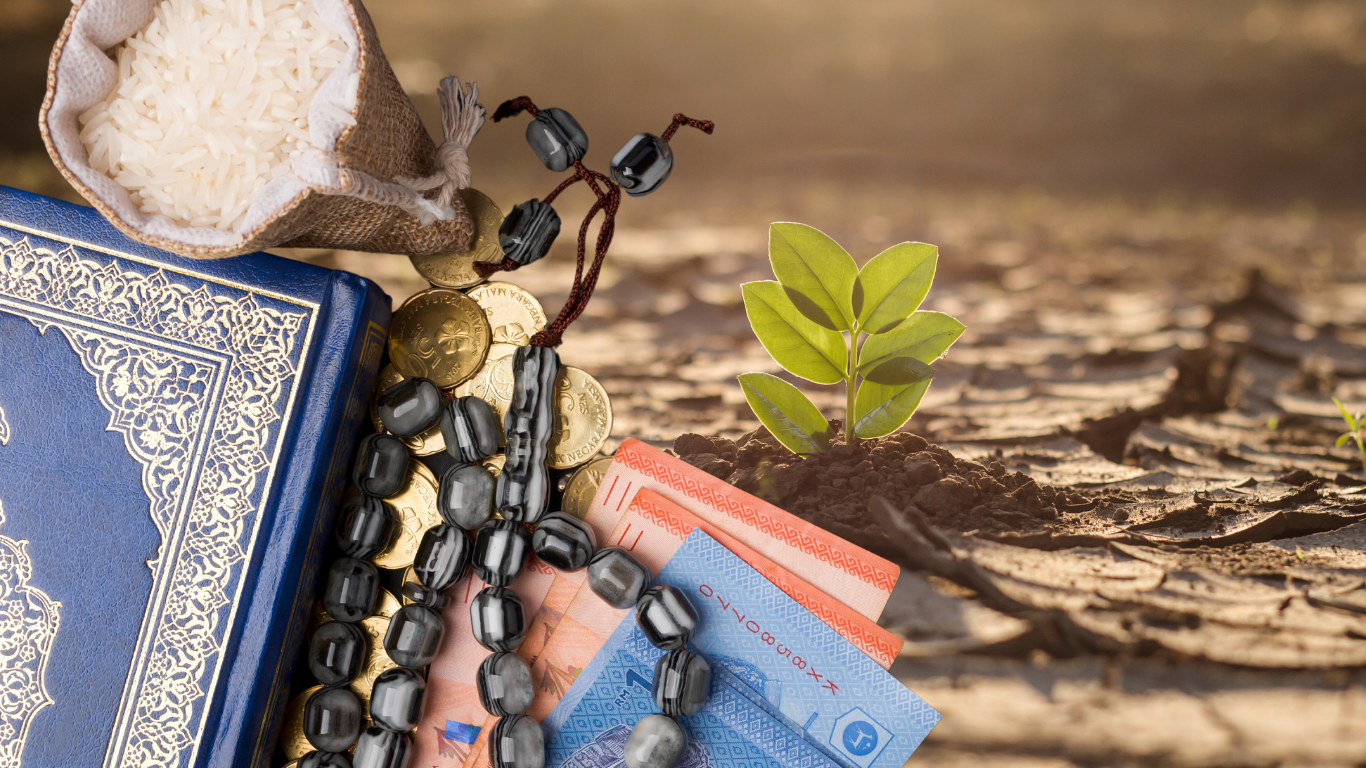
Islamic Finance and Economics: An Introduction to Wealth, Responsibility, and Economic Life
Finance is one of the ways a society decides what its future will look like. Decisions about lending, investment, ownership, and taxation help determine which businesses grow, which families obtain housing, and who bears the consequences when an enterprise fails. Islamic finance approaches these decisions through a religious and ethical tradition that places economic activity…
-
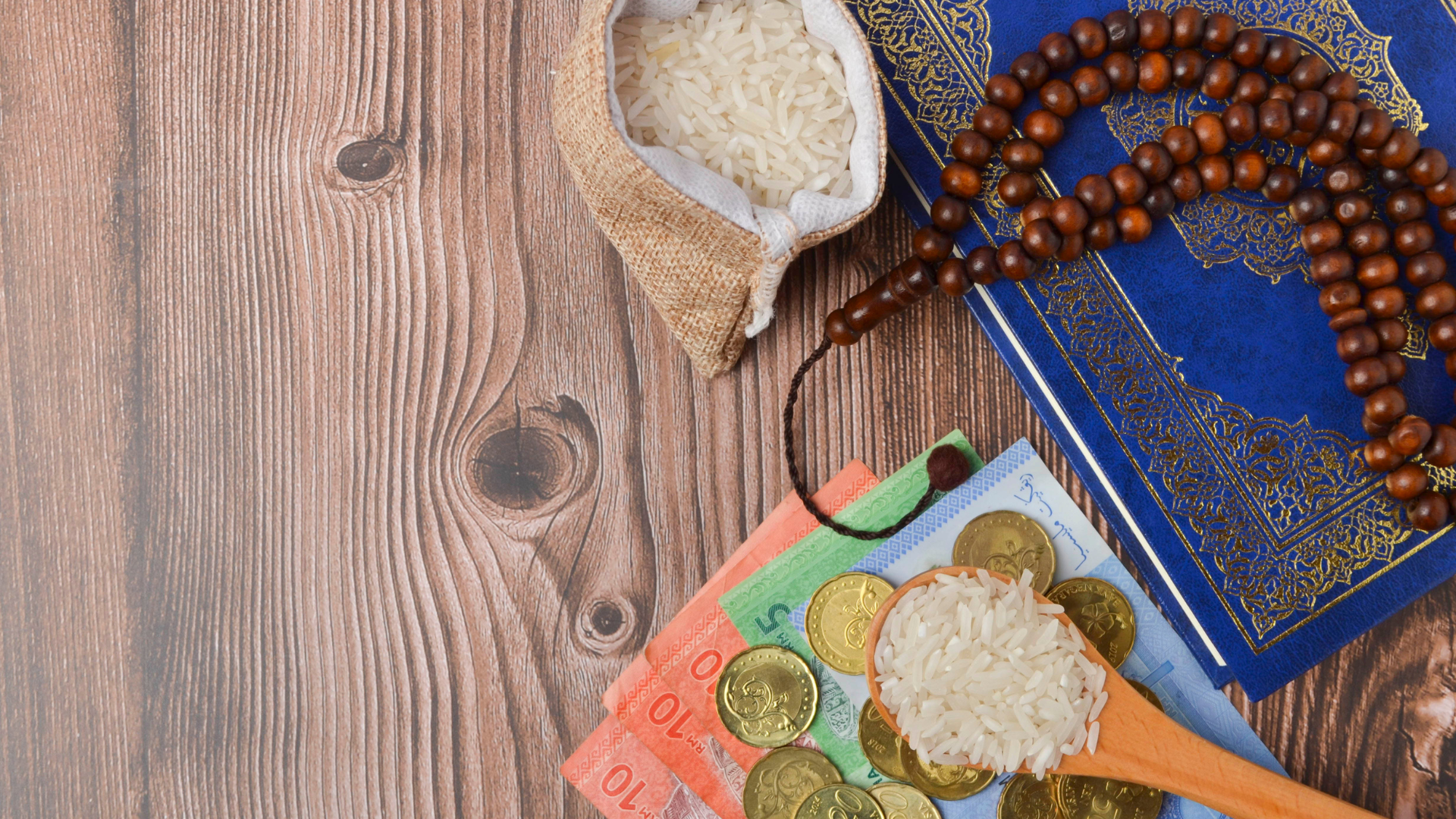
The Third Pillar of Islam: Zakāh
Purification, Worship, and Care for the Ummah Islam is not only a religion of belief. It is a religion of worship, obedience, purification, and mercy. It teaches the Muslim how to stand before Allah in prayer, how to fast, how to speak, how to treat other people, and how to use wealth. For this reason,…
-
Dawah to Family Members
One of the hardest parts of embracing Islam is not always learning the words of the prayer, the basics of wudu, or the difference between halal and haram. Often the hardest part is learning how to live Islam in front of the people closest to you. Family sees you up close. Family notices every change.…
-
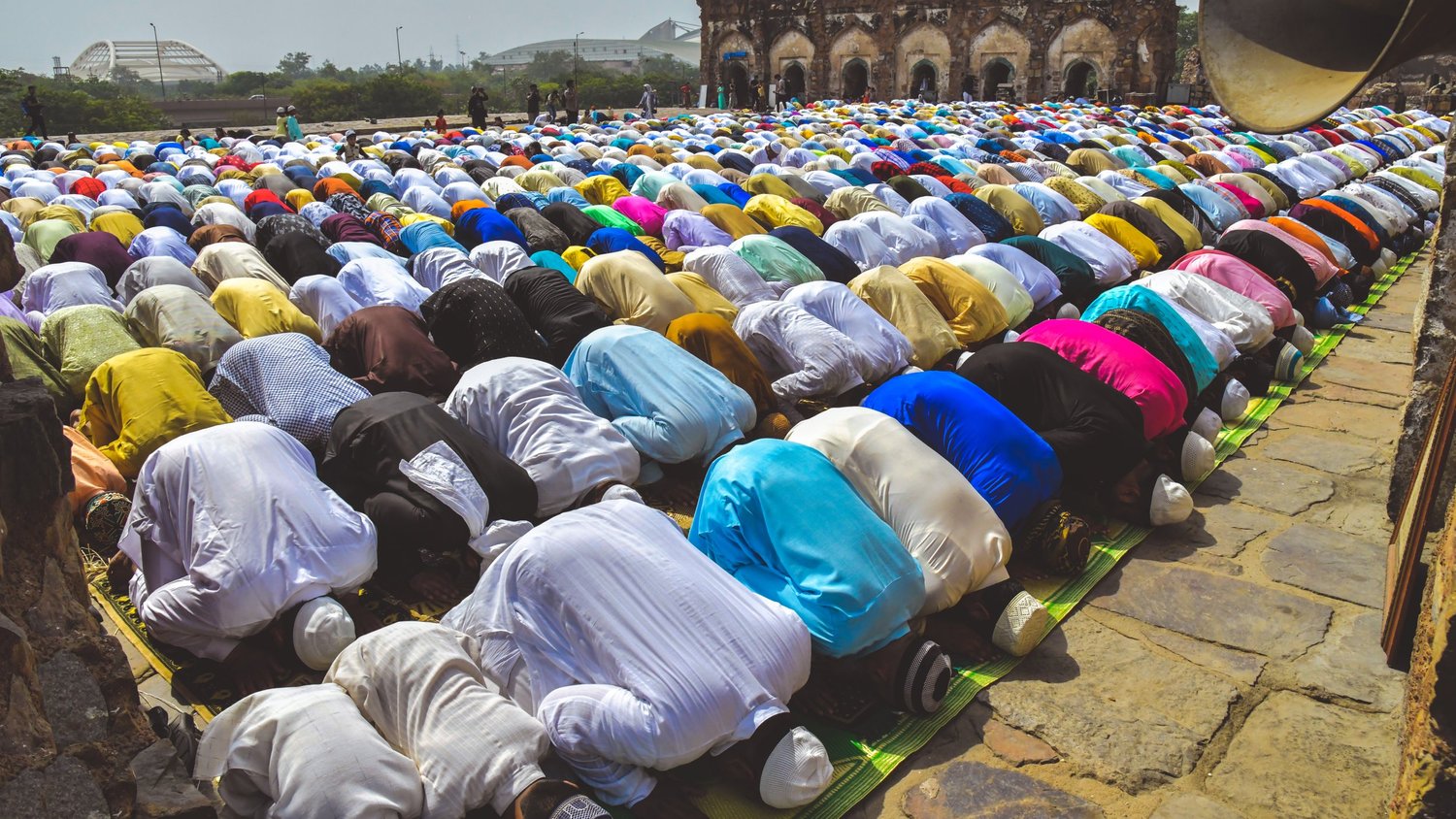
The Second Pillar of Islam: Ṣalāh
For a person who has entered Islam through the shahādah, the testimony that there is no god but Allah and that Muḥammad is the Messenger of Allah, the next great foundation of the religion is ṣalāh, the five daily prayers. If the shahādah is the doorway into Islam, ṣalāh is the structure that begins to…
-
Purification of the Soul in Islam
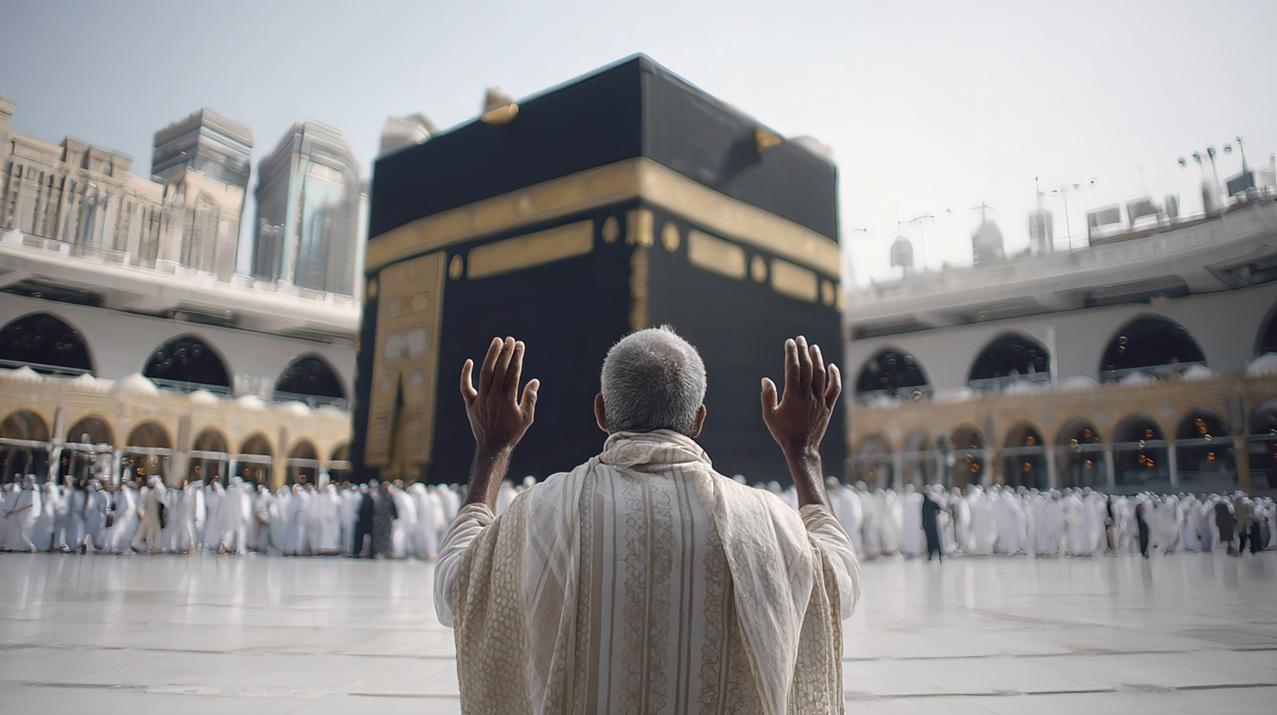
A Traditional Islamic Understanding of Tazkiyat al-Nafs One of the greatest aims of Islam is not merely outward conformity, but inward transformation. A Muslim is not only called to speak correctly, pray correctly, dress correctly, and live lawfully. He is also called to purify his inner self before Allah. The religion does not stop at…
-

Slave Women, Free Women, Hijab, and the Moral Direction of Islam
From time to time, I want to write about extremely difficult subjects in Islam and in Islamic history. Some of these subjects are emotionally charged. Some are morally unsettling to modern readers. Some are questions that critics raise in bad faith, but others are sincere questions asked by Muslims, new Muslims, and non-Muslims alike who…